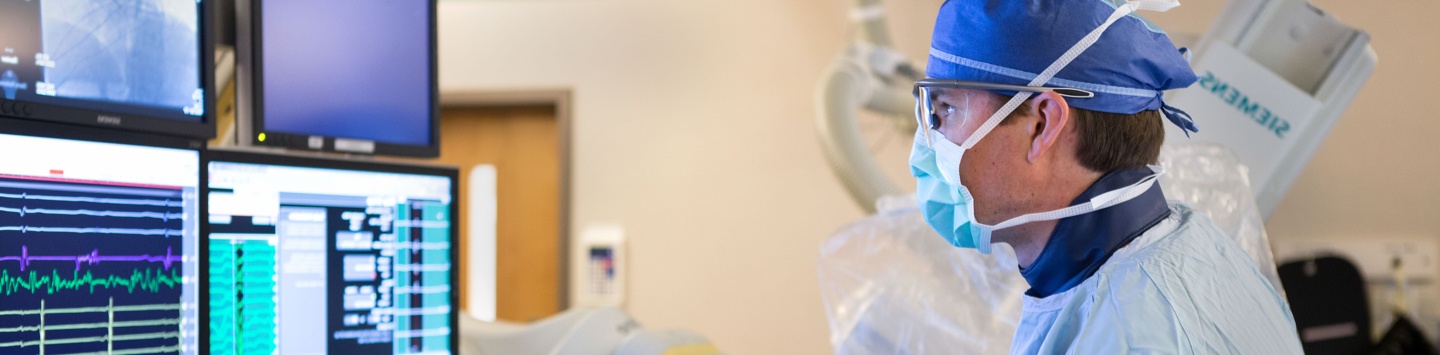


PHOTO CREDIT: Mayo Clinic
News
-
Moooving the Needle on Methane: Video
 April 23, 2024
MIT researchers are developing a system for reducing emissions of the potent greenhouse gas at dairy farms and other sites. Methane traps much more heat per pound than carbon dioxide, making it a powerful contributor to climate change. “In fact, methane emission removal is the fastest way that we can ensure immediate results for reduced global warming,” says Audrey Parker, a graduate student in the Department of Civil and Environmental Engineering.
Read More at new.mit.edu
-
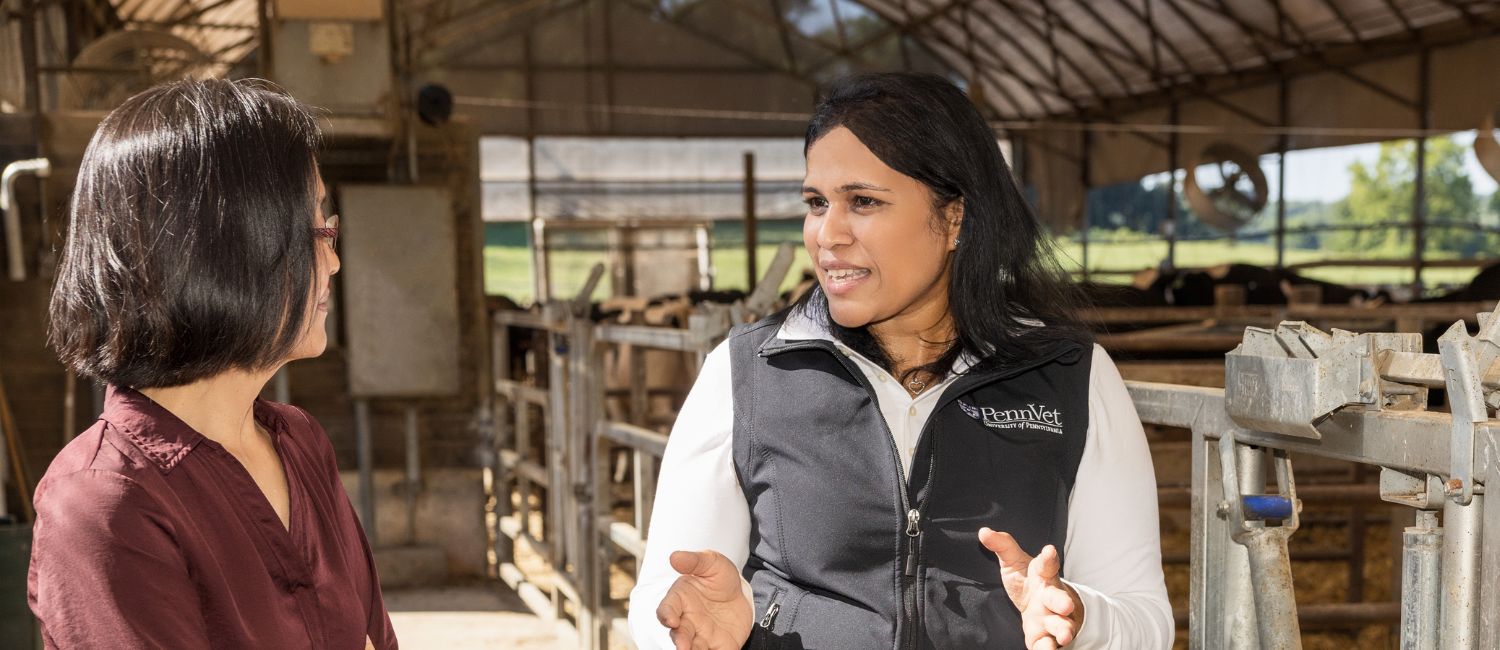
Penn Vet Scientist Receives More Than Half a Million Dollars For Research and Development of Mitigation Technology to Halt Methane Emissions from Dairy Cattle
 April 9, 2024
The Mark Whittier and Lila Griswold Allam Associate Professor of Ruminant Nutrition, Dipti Pitta, PhD, at the University of Pennsylvania’s School of Veterinary Medicine (Penn Vet) has received a $508,884 grant from Gerstner Philanthropies to support Pitta’s continuing work to imprint the rumen function and prevent methanogen colonization in dairy calves with the potential of permanently curbing methane emissions from dairy herds in the United States.
Read More at Vet.UPenn.Edu
-
Researchers at the Broad Institute and MIT Develop Primers to Improve Liquid Biopsy for Cancer Detection and Monitoring
January 29, 2024
Scientists from the Gerstner Center for Cancer Diagnostics at the Broad Institute and their colleagues at MIT have developed two agents that could one day be given to patients shortly before a blood draw to allow physicians to better detect tumor DNA using liquid biopsy. Liquid biopsies have the potential to transform how cancers are diagnosed, monitored, and treated by detecting DNA that tumors shed into the blood, but the body presents a significant challenge. Immune cells in the liver and DNA-degrading enzymes in blood remove circulating tumor DNA from the bloodstream within minutes, making this DNA difficult to capture and detect in a blood test. Now, researchers at MIT and the Broad Institute have developed injectable "priming agents" that enhance liquid biopsy accuracy. These agents, using nanoparticles and antibodies, significantly increase the detection of circulating tumor DNA (ctDNA) in the bloodstream. In mouse trials, these agents boosted ctDNA by over 10 times, improving the detection rate from below 10% to over 75%. This breakthrough could not only transform cancer diagnostics but also holds promise for other health areas. Director of the Gerstner Center for Cancer Diagnostics, Viktor Adalsteinsson shared “Boosting circulating tumor DNA in blood is just the tip of the iceberg… Priming is a new frontier we’re excited to further develop in cancer diagnostics and beyond.”
Read More at theBroadInstitute.org
Read More at Science.org
-
Global Methane Hub Announces the Enteric Fermentation Research & Development Accelerator, a $200M Agricultural Methane Mitigation Funding Initiative
December 2, 2023
Today, at COP28, the Global Methane Hub (GMH) announced a more than $200 million funding initiative between public, private and philanthropic partners including the Bezos Earth Fund, Quadrature Climate Fund, Gerstner Philanthropies, High Tide Foundation, Bill & Melinda Gates Foundation, The Zegar Family Foundation, Danone, the Governments of Ireland, New Zealand and the United States, for research and development (R&D) technologies to meaningfully address and reduce methane emissions from livestock.
Read More at prnewswire.com
-
Gerstner Philanthropies Commits Over $1 Million to Combat Food Insecurity, Including $50,000+ in Support for Thanksgiving Meal Programs
November 30, 2023Data released this fall from the U.S. Department of Agriculture showed food insecurity increased in 2022 for the first time in more than a decade. This November, Gerstner Philanthropies has committed over $1 million to combat food insecurity, including $52,380 to provide food for struggling households over Thanksgiving. Eight organizations received support to continue to implement critical programs in 2024, such as mobile pantries and meal delivery for clients in food deserts and food rescue programs. In addition, three community-focused organizations received support to provide Thanksgiving meals to families in need across Boston, Palm Beach County, and Greenwich, three areas in which members of the Gerstner family reside. Over 1,050 households were impacted, ensuring families could access food during the holiday season. This work aligns with Gerstner Philanthropies’ mission to help hard-working individuals who are trying to help themselves and their communities but temporarily lack the resources to accomplish their goals.